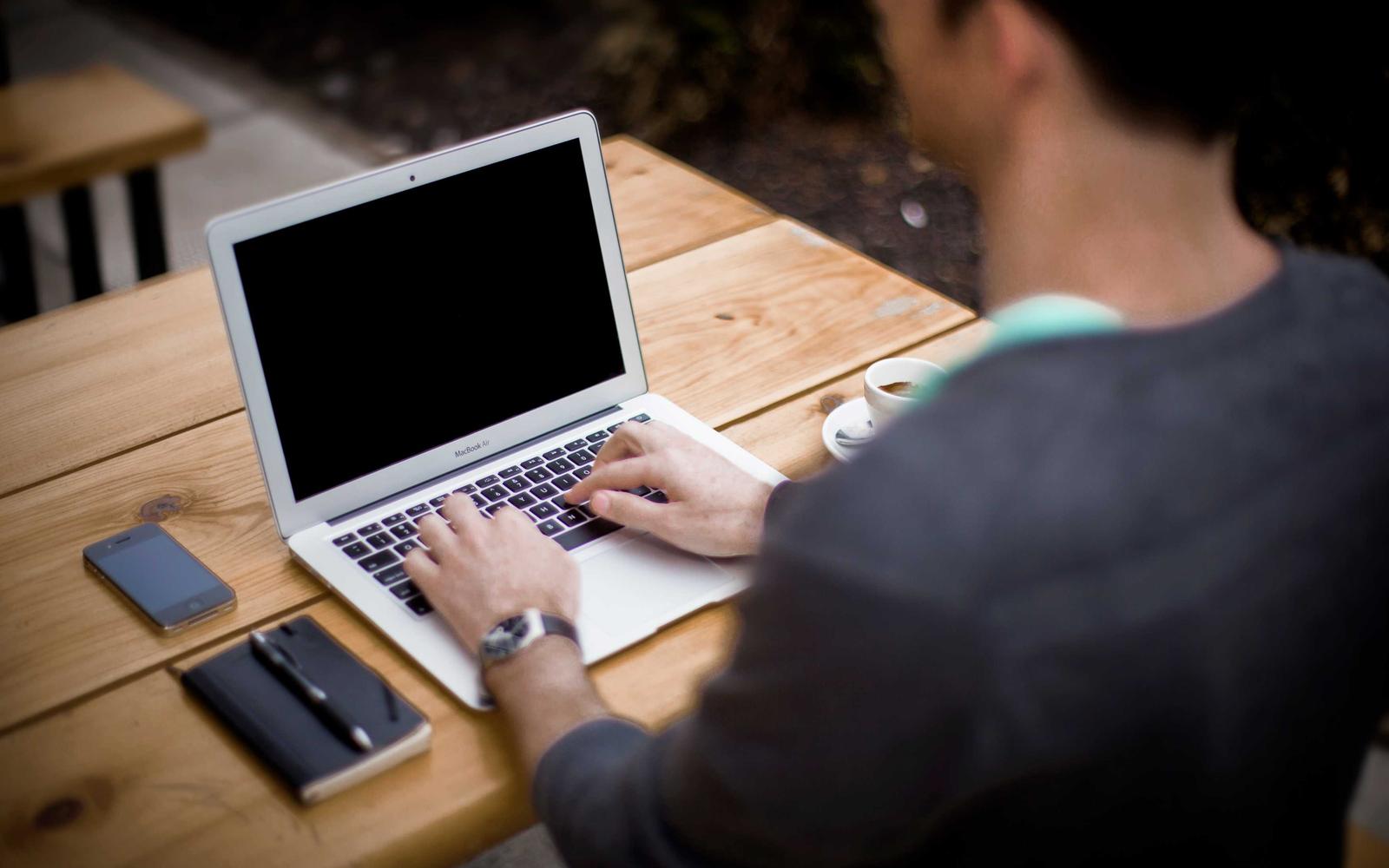
the workhorse
Sugar kelp
Fast, dense, and cold-water loyal. The backbone of every line.
s. latissima
Kelp is an open-ocean farming platform — we seed, grow, and harvest seaweed at scale on longlines, and publish every reading from the water.
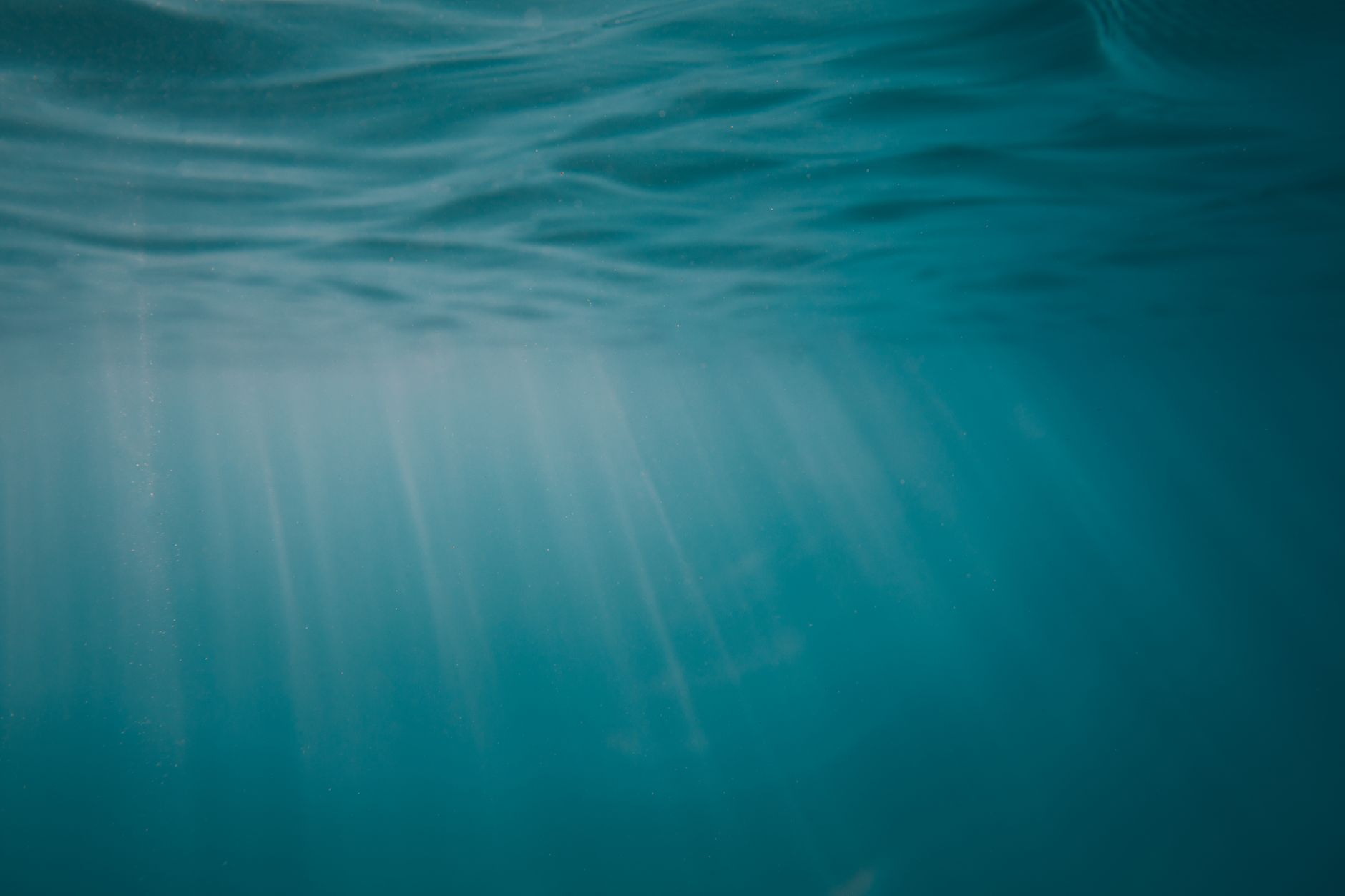
Three steps. No fertilizer, no feed, no freshwater.
In the hatchery, we settle microscopic spores onto twine and wind it onto spools bound for the water.
The spooled line is married to a longline, where the blades grow a metre a month on nothing but current and cold.
Late spring, the boats winch the lines and the crop comes up — washed, dried, and baled by nightfall.
One rope, a thousand blades, all hanging down.
spores settled in the hatchery
blades, a metre a month
lines winched in late spring
the lease breathes till winter
What the farm runs on.
Buoys, anchors, and a single rope — no frames, nothing to rot.
Depth, temperature, and growth from every line, every 15 minutes.
Every tonne grown is weighed, sampled, and logged against climate.
All of it published. The ocean should be legible to everyone.
Every bale traces back to the specific rope in the specific bay.
Our lines double as lab infrastructure for universities and institutes.
Shot where the water is cold and the blades are long.
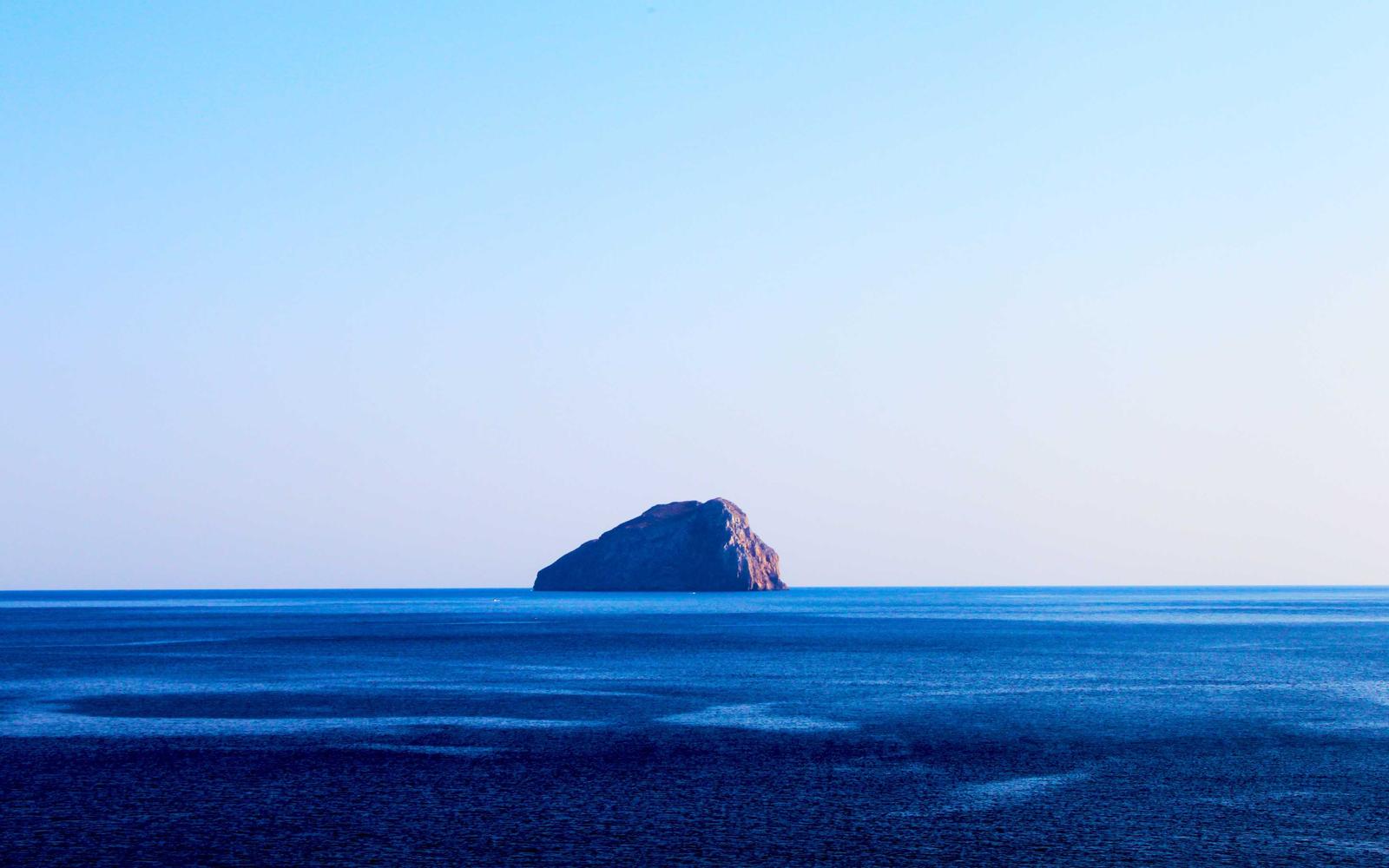
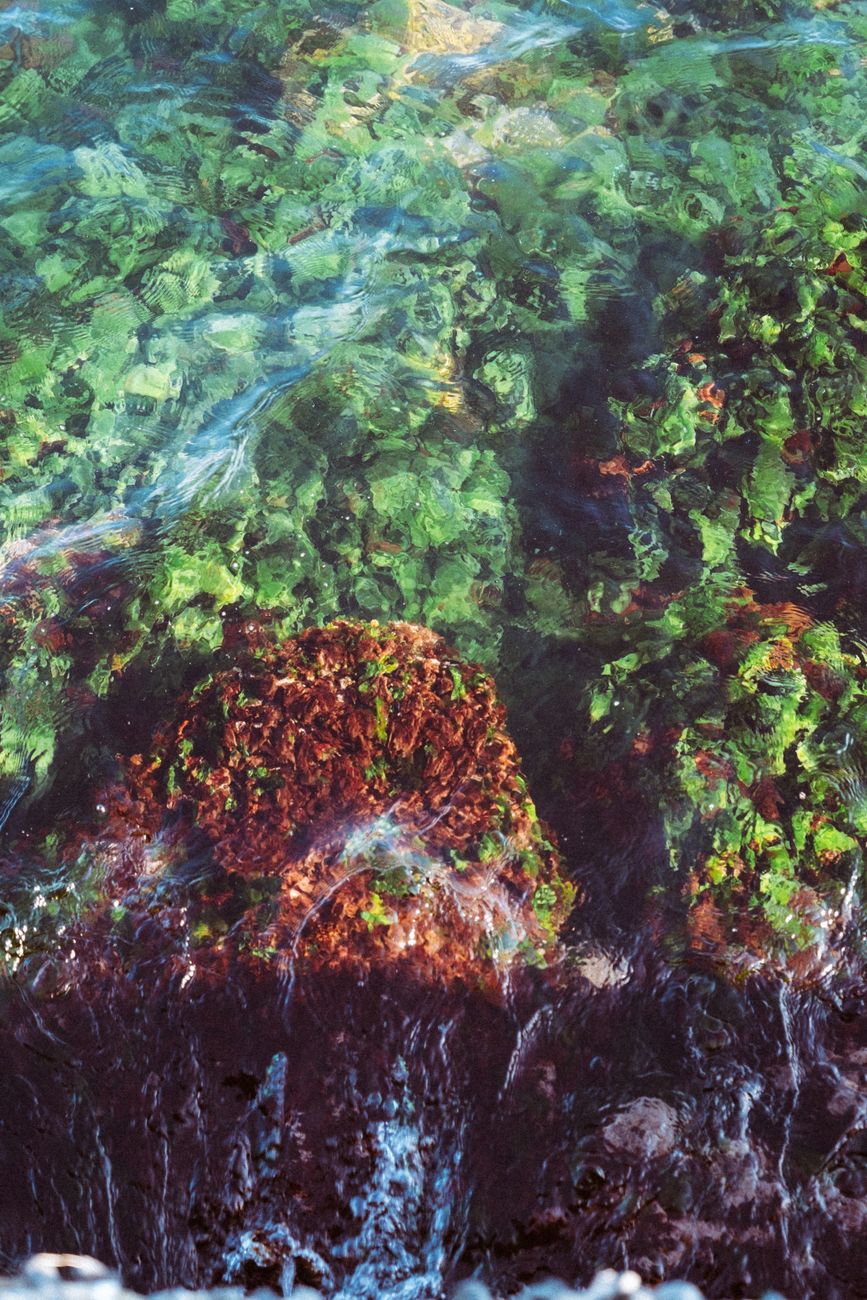
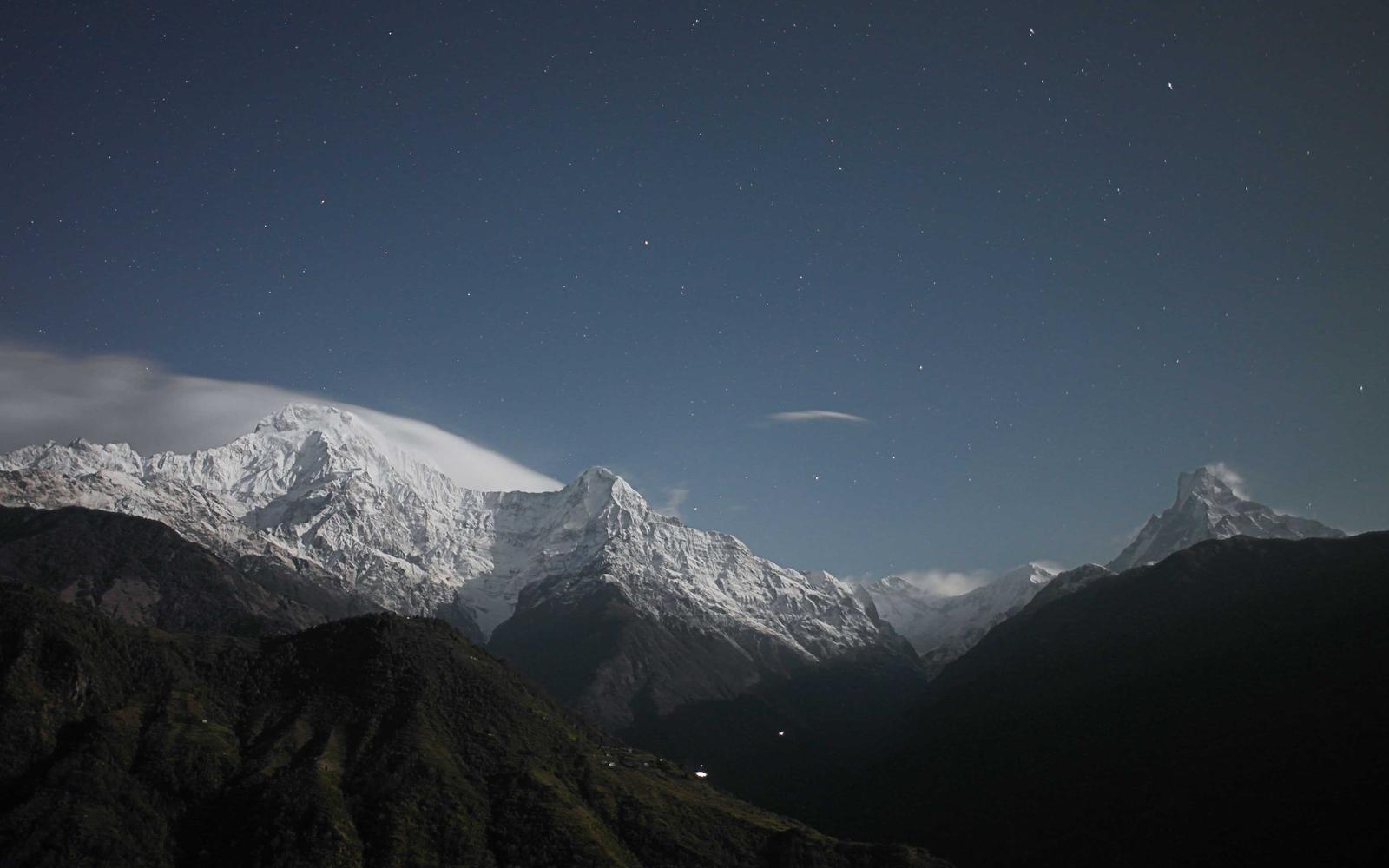
Slow water, swaying blades.
The crop comes in four moods.
Fast, dense, and cold-water loyal. The backbone of every line.
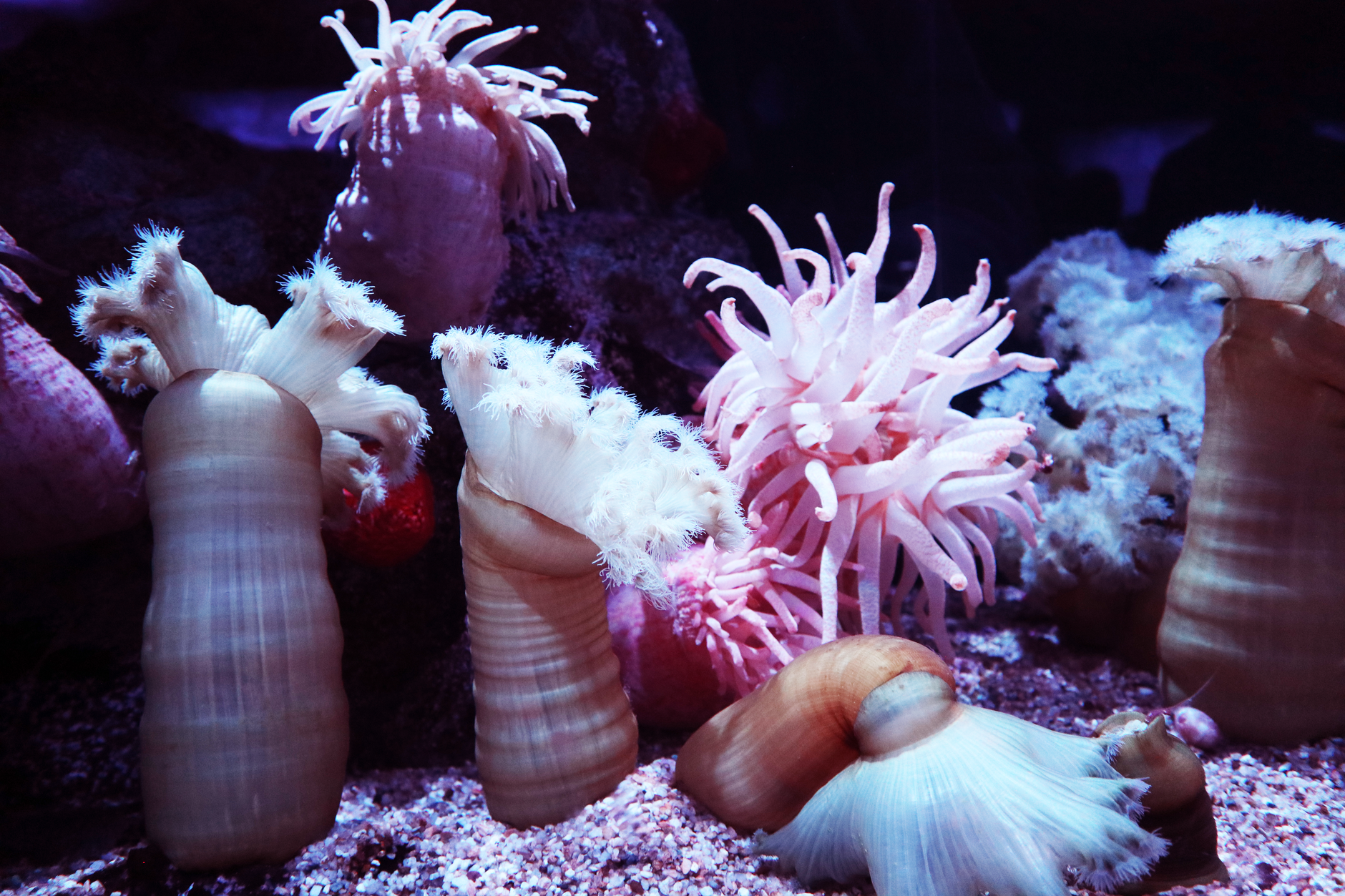
Longer blades, firmer bite. A little sweeter at the table.
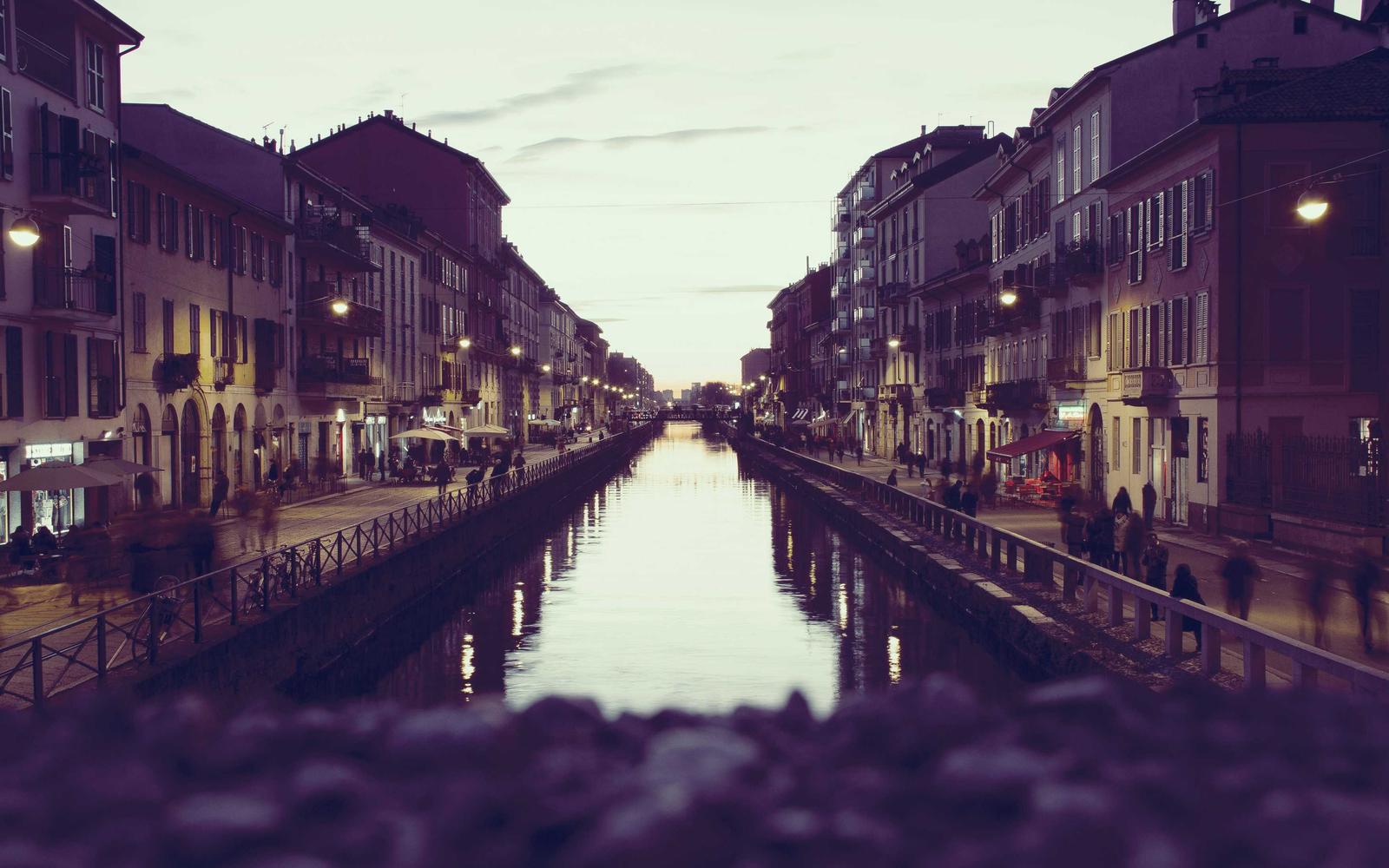
Thick stipes that shrug off storms. Built for the exposed coast.
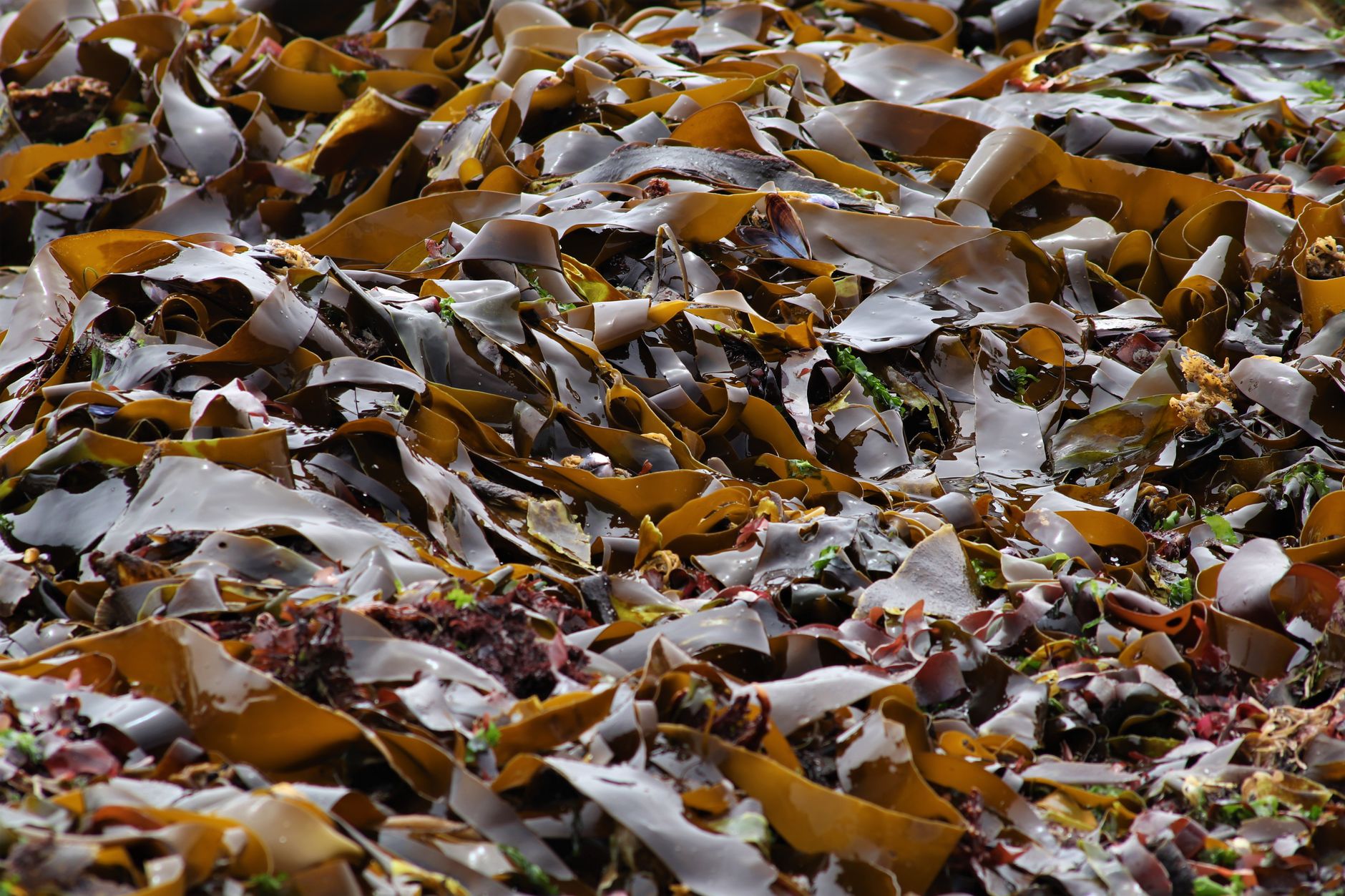
A bright green sprinter that shows up early and everywhere.
I started kelp with one rope, two buoys, and a borrowed boat. The first winter, the line iced over and I thought we'd lost it all — until spring, when the winch came up heavy with the best sugar kelp I'd ever seen.
What I learned: the ocean doesn't need anything from us. No fertilizer, no feed, no freshwater. Just a rope in the right current, and the patience to let cold water do its work.
So here's the invitation: watch the telemetry, come out on a boat, or just order a bale. The farm is open.
Live, from our backend.
People who came out on a boat.
"I've worked on farms my whole life and never seen anything grow this fast with zero input. It's the closest thing to free food the ocean makes."
"The open data won me over. I can watch the lines grow from my desk, and I know exactly where my bale came from."
"I stood on the deck while the winch brought up a full line of kelp. You can hear it — the whole ocean pulling."
Where the farm is heading.
48 longlines live across six sites, with full telemetry and open data.
A third coast, plus cold-packing for fresh restaurant supply.
Kelp bio-stimulants for soil, milled from the whole harvest.
Community leases — farm a line with us, share the harvest.
grown underwater.